Alan Turing and John McCarthy are generally known for their innovative work that laid the foundation for AI as we know it today, but I was surprised to learn that the humble spell check, invented by Ralph Gorin in 1971, was one of the first AI tools to have widespread use. That same spell check that saves us from embarrassing typos has led to captivating dialogue about AI personalities like Anthropic’s Claude, the ethics of AI use, and even fictional works like 2001: A Space Odyssey and Battlestar Galactica that challenge ideas of where AI is headed.
This week’s material is fascinating, and it has really opened my eyes to how AI can be used in a responsible way. There’s so much debate right now about how much AI use is too much AI use, and it’s a conversation that comes up a lot for me. As a visual artist, the use of AI to create art is a hot topic. At a recent convention, a vendor was escorted out of the convention center because they were selling AI generated art. It wasn’t clear as to what the convention used as criteria to determine that her art wasn’t compliant, but it brings up some questions. At the heart of those questions is when AI is considered a tool and when it’s considered piracy. The peer review assignments that required us to refine our prompts for ChatGPT were extremely helpful in answering that question. They helped to define the difference between the original writing and how ChatGPT could be used as a tool to improve upon the original work, especially in relation to how ChatGPT can offer tone adjustments.
Knowing where the limits are for ethical AI use is important in any field, but especially in technical writing and content creation. We touched on AI use in grant and proposal writing back in TECM 5170, but not as deeply as we did this week. I’m excited to apply this knowledge to future assignments and proposals.
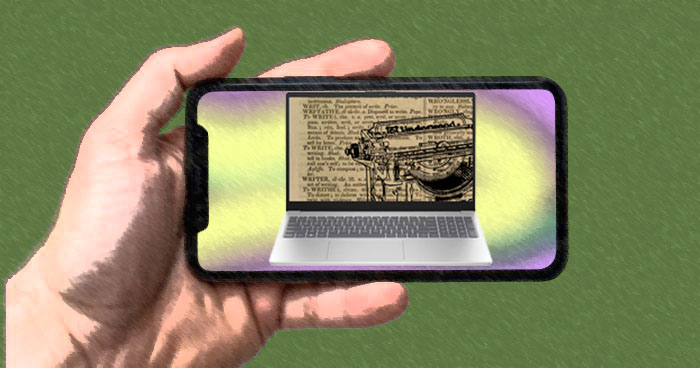
The same ethical questions come up in visual art. The collage on this page, for instance, uses four different images and a Photoshop filter, and the bottom layer is AI-generated. Our use of AI tools in technical writing leads me to believe that the answer to “Is it still my art?” is a definite yes.
 Site Title
Leave a comment